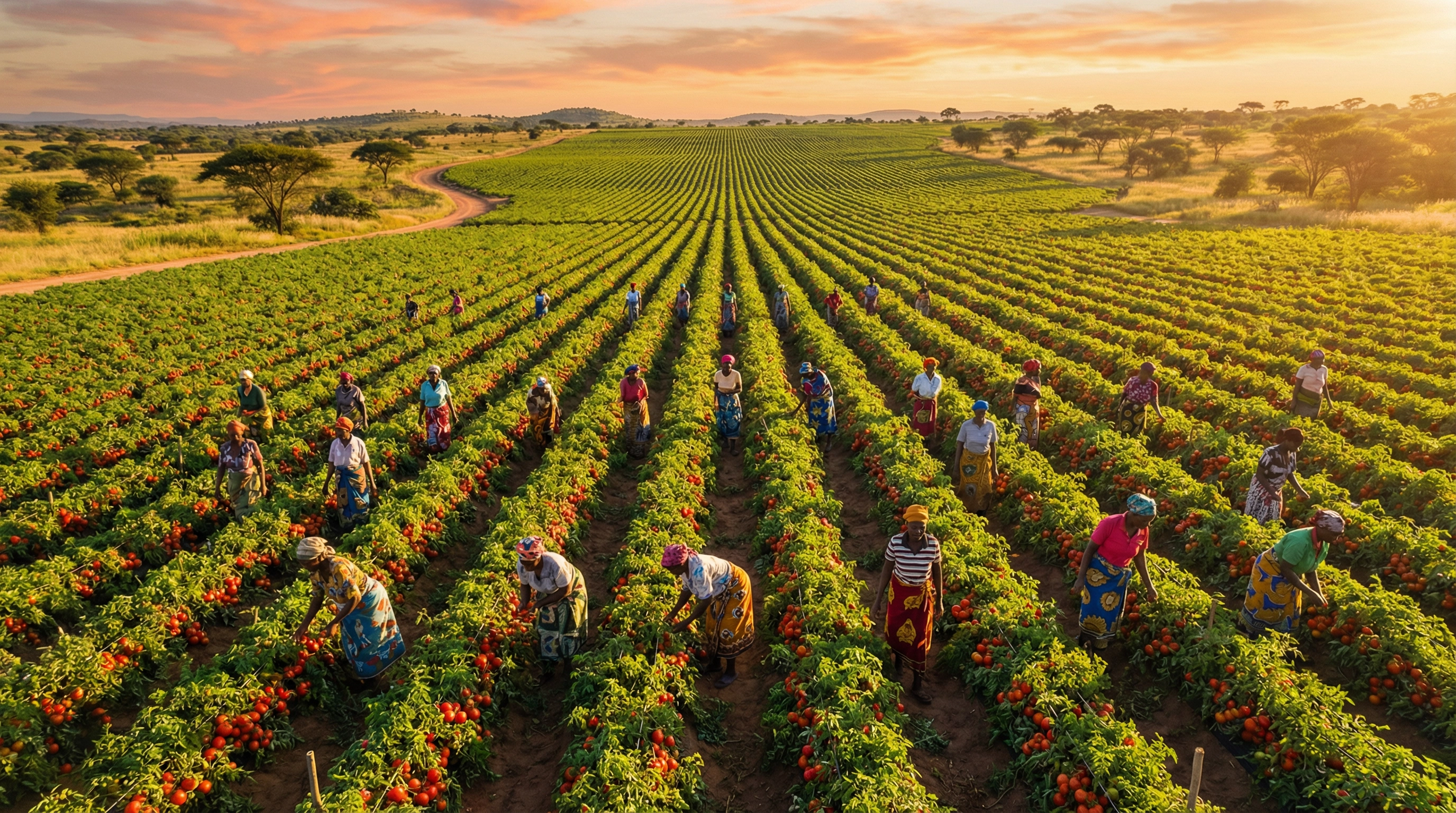
Mutoko Tomato
Processing
& Clean Energy
A climate-smart, gender-transformative agribusiness investment in Zimbabwe. 15,000 MT/year processing capacity. 100% solar powered. 65% women workforce.
The Numbers That Matter
Transforming Zimbabwe's
Tomato Value Chain
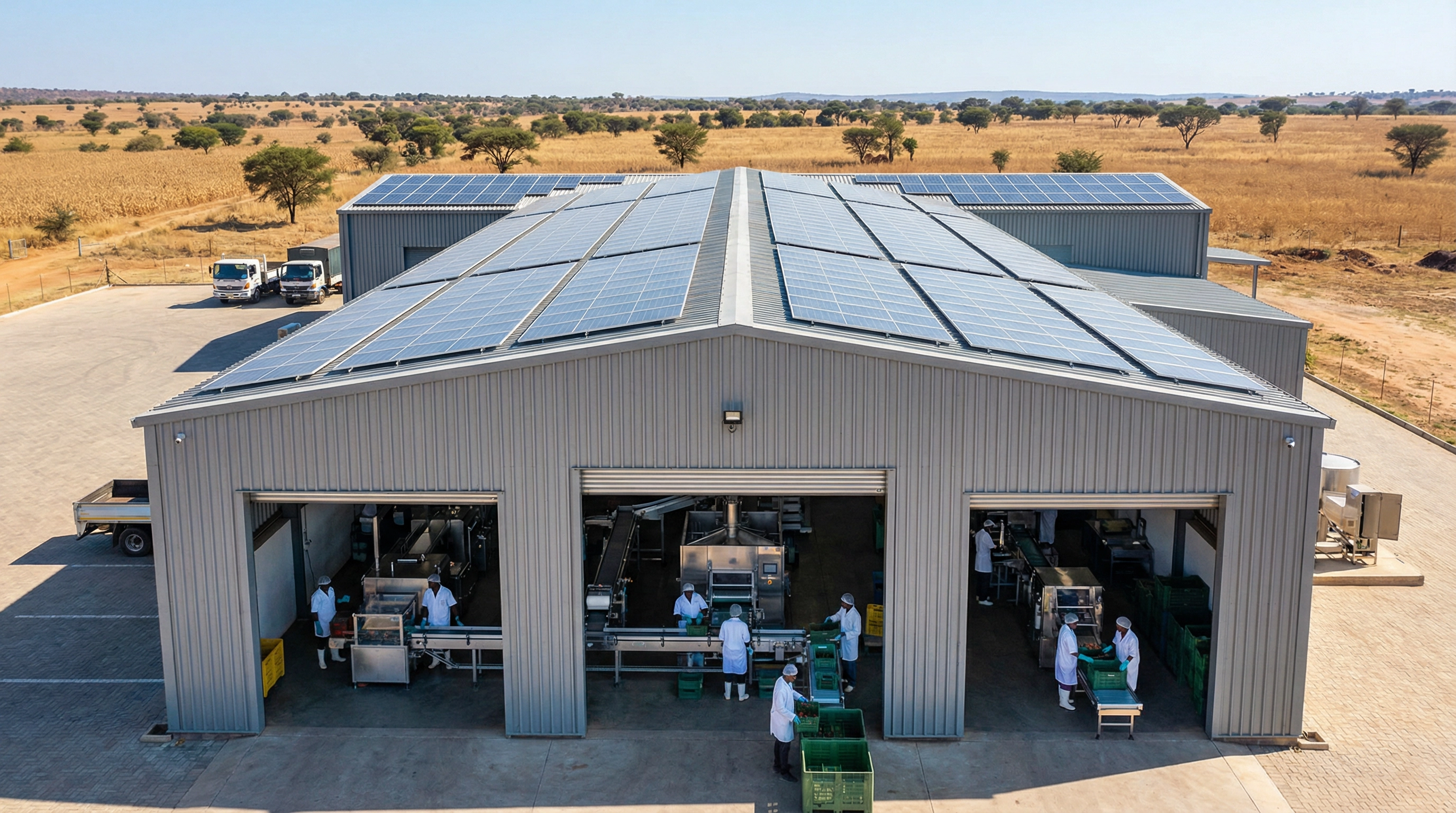
The Mutoko Tomato Processing & Clean Energy Project is a USD 4.5M blended finance investment that will establish a state-of-the-art tomato processing facility in Mashonaland East, Zimbabwe. The facility will process 15,000 MT of tomatoes annually into paste, puree, and canned products for domestic and regional markets.
Powered entirely by a 100% solar microgrid, the project eliminates 850 tCO₂e annually while integrating over 500 smallholder farmers — 70% of them women — into a formal, climate-resilient supply chain with guaranteed off-take agreements that eliminate 40% post-harvest losses.
Packaging Specifications
Four product lines across retail, foodservice, and B2B commercial formats — designed to serve every segment of Zimbabwe's domestic market and the wider SADC export corridor.
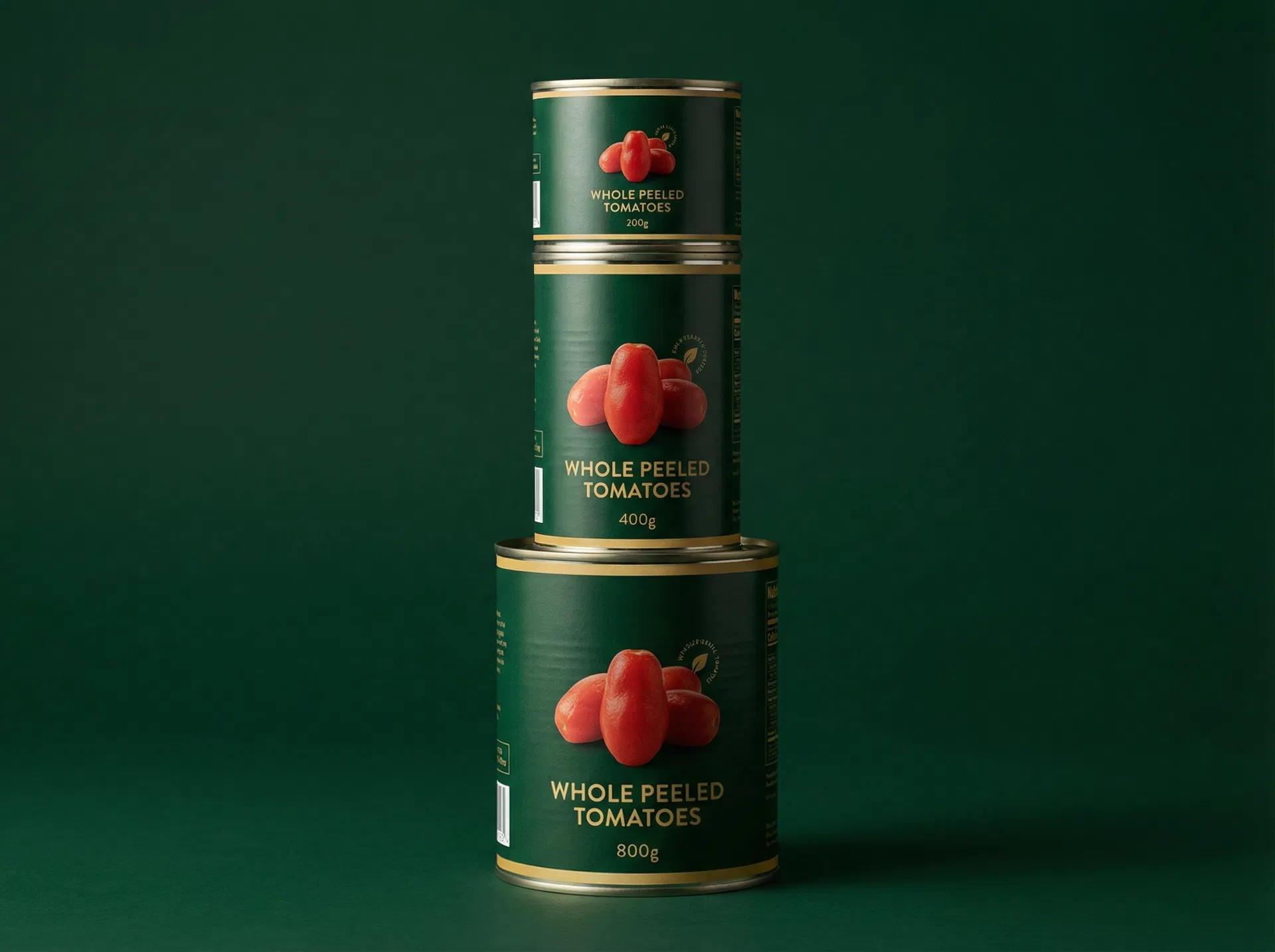
Canned Tomatoes
Whole, Chopped & Crushed
HACCP-certified canned tomatoes in three retail formats, packed under the Mutoko brand for domestic supermarkets and regional export markets.
| Format | Size / Weight | Application |
|---|---|---|
| Small Can | 200 g – 227 g | Retail / household |
| Standard Can | 400 g | Core retail format |
| Large Can | 800 g | Often 2 × 400 g equivalent |
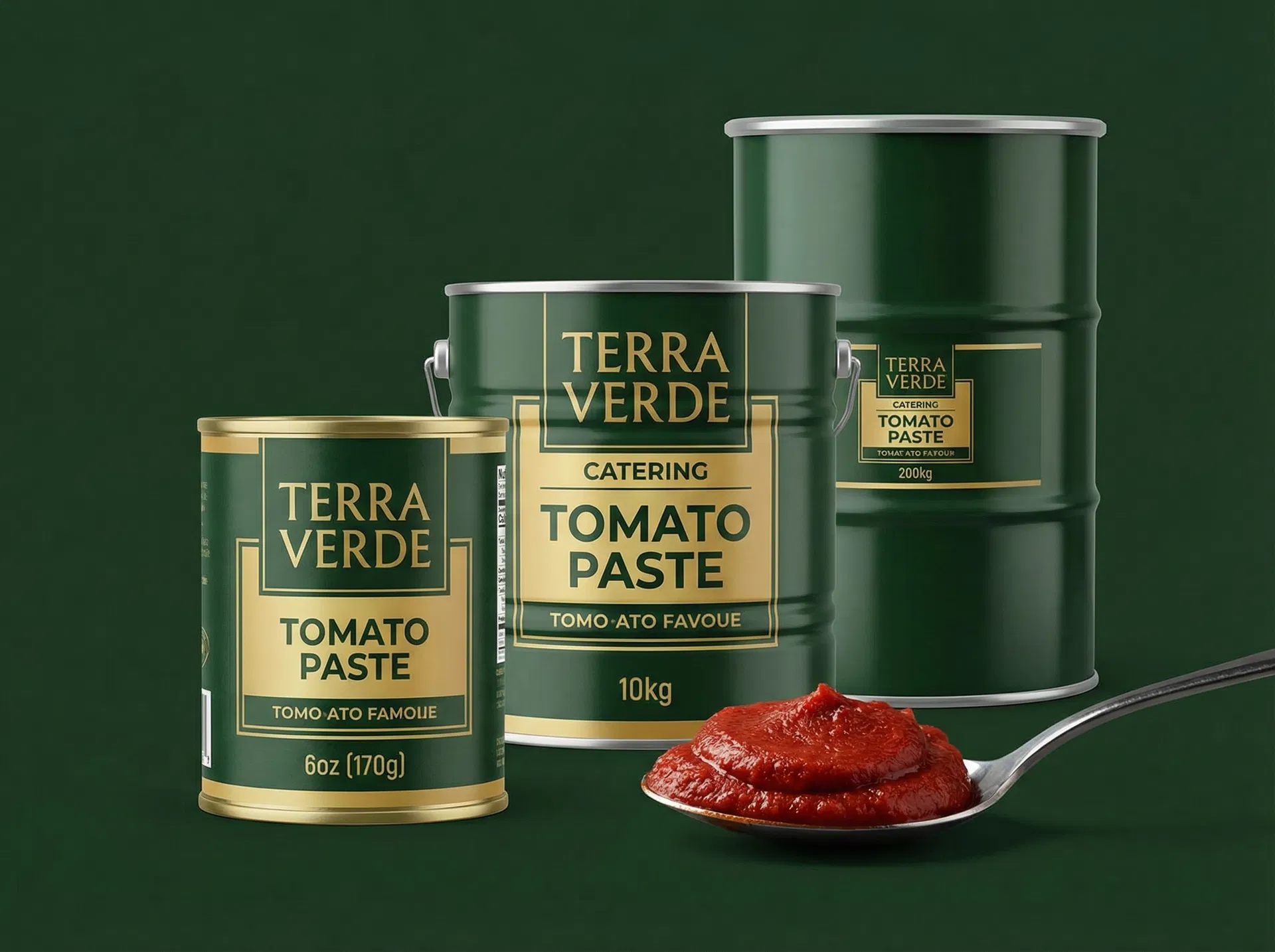
Tomato Paste
28–30° Brix, Hot Break
High-Brix tomato paste produced to HACCP and Zimbabwe FDA standards, available in consumer retail, foodservice, and B2B bulk formats.
| Format | Size / Weight | Application |
|---|---|---|
| Consumer Tin | 6 oz (170 g) | Retail / household |
| Foodservice Tin | 10 kg | Hotels & restaurants |
| Catering Tin | 15 kg | Hotels & restaurants |
| B2B Bulk Drum | 200 kg drum | Commercial / industrial |
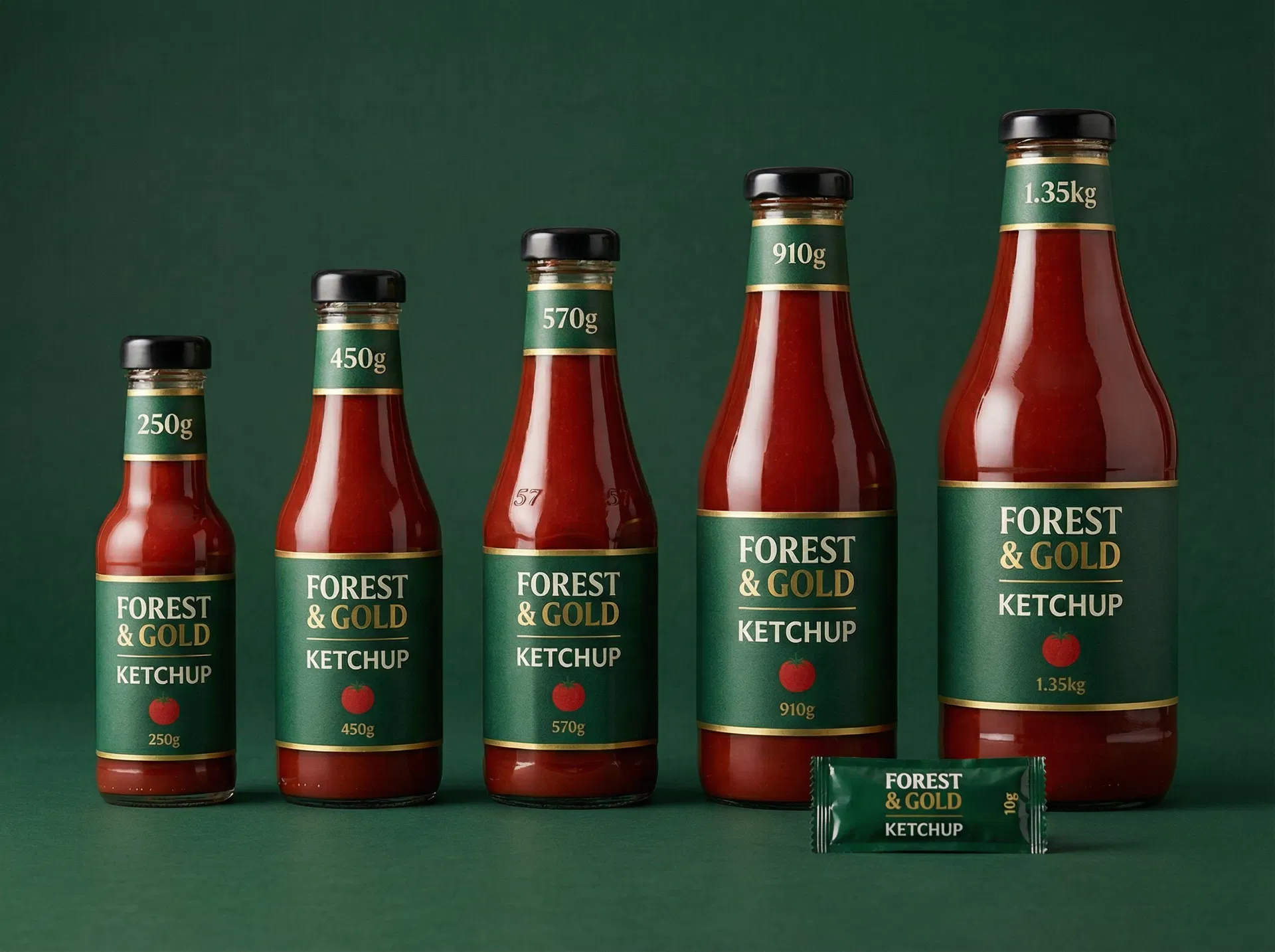
Tomato Ketchup
Classic & Spiced Variants
Retail and catering ketchup in a full range of bottle and sachet formats, targeting supermarkets, QSR chains, and hospitality operators.
| Format | Size / Weight | Application |
|---|---|---|
| Sachet / Portion | 9 g – 12 g | QSR / single serve |
| Small Bottle | 250 g | Retail |
| Standard Bottle | 342 g | Retail |
| Mid Bottle | 450 g | Retail |
| Large Bottle | 570 g | Retail / household |
| Family Bottle | 910 g | Retail / household |
| Bulk Bottle | 1.35 kg | Large household / catering |
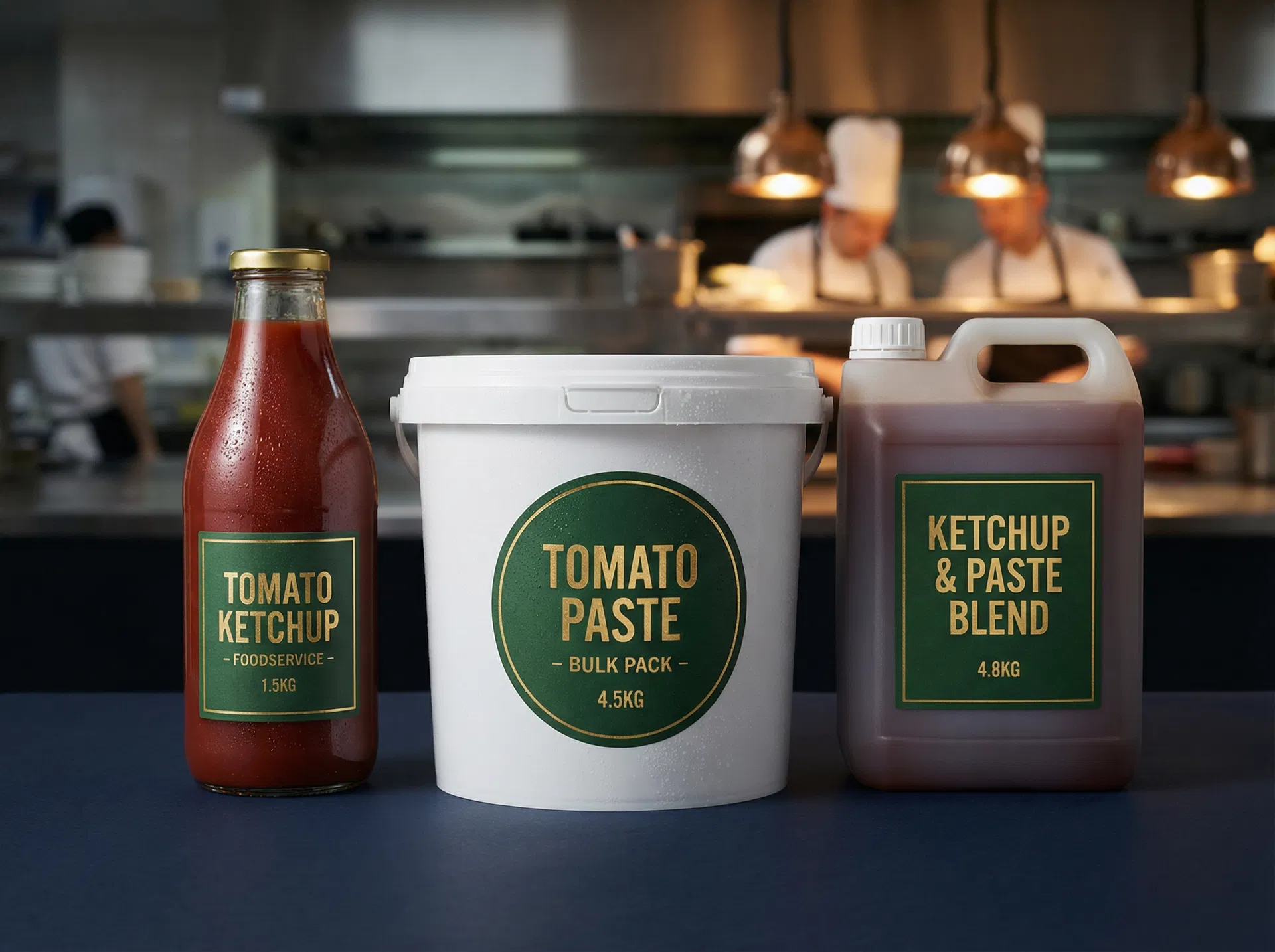
Commercial Catering
Ketchup & Paste — Bulk Formats
High-volume catering formats for institutional buyers, hotel groups, contract caterers, and foodservice distributors across Zimbabwe and the SADC region.
| Format | Size / Weight | Application |
|---|---|---|
| Medium Catering Bottle | 1 kg – 1.5 kg | Medium catering / large household |
| Standard Catering Bulk | 4.5 kg (4,500 g) | Bottle / tub — standard catering |
| Large Foodservice | 4.8 kg (4,800 g) | Jerry can — large foodservice |
Certification: All products will be produced to HACCP, ISO 22000, and Zimbabwe FDA standards. Export-grade product will additionally comply with EU food safety regulations and SADC preferential trade requirements. Custom private-label packaging is available for B2B and retail partners on request.
Request a
Trade Quote
Whether you are a supermarket buyer, foodservice distributor, hotel group, or B2B importer, we welcome trade enquiries across all product lines and packaging formats.
Submit your requirements below and a member of the Afroglobal Trade Ltd commercial team will respond within 2 business days with indicative pricing, minimum order quantities, and lead times.
"Zimbabwe loses 40% of its tomato harvest annually to post-harvest spoilage. This project ends that cycle — permanently."
The Mutoko district produces over 25,000 MT of tomatoes annually, yet lacks any formal processing infrastructure. Farmers sell at distressed prices or watch their harvest rot. This project creates the missing link in Zimbabwe's food value chain.
Smallholder capacity-building, irrigation upgrades, and GAP certification — sitting alongside a fully structured commercial capital stack of debt and equity.
A Gender-
Transformative
Model
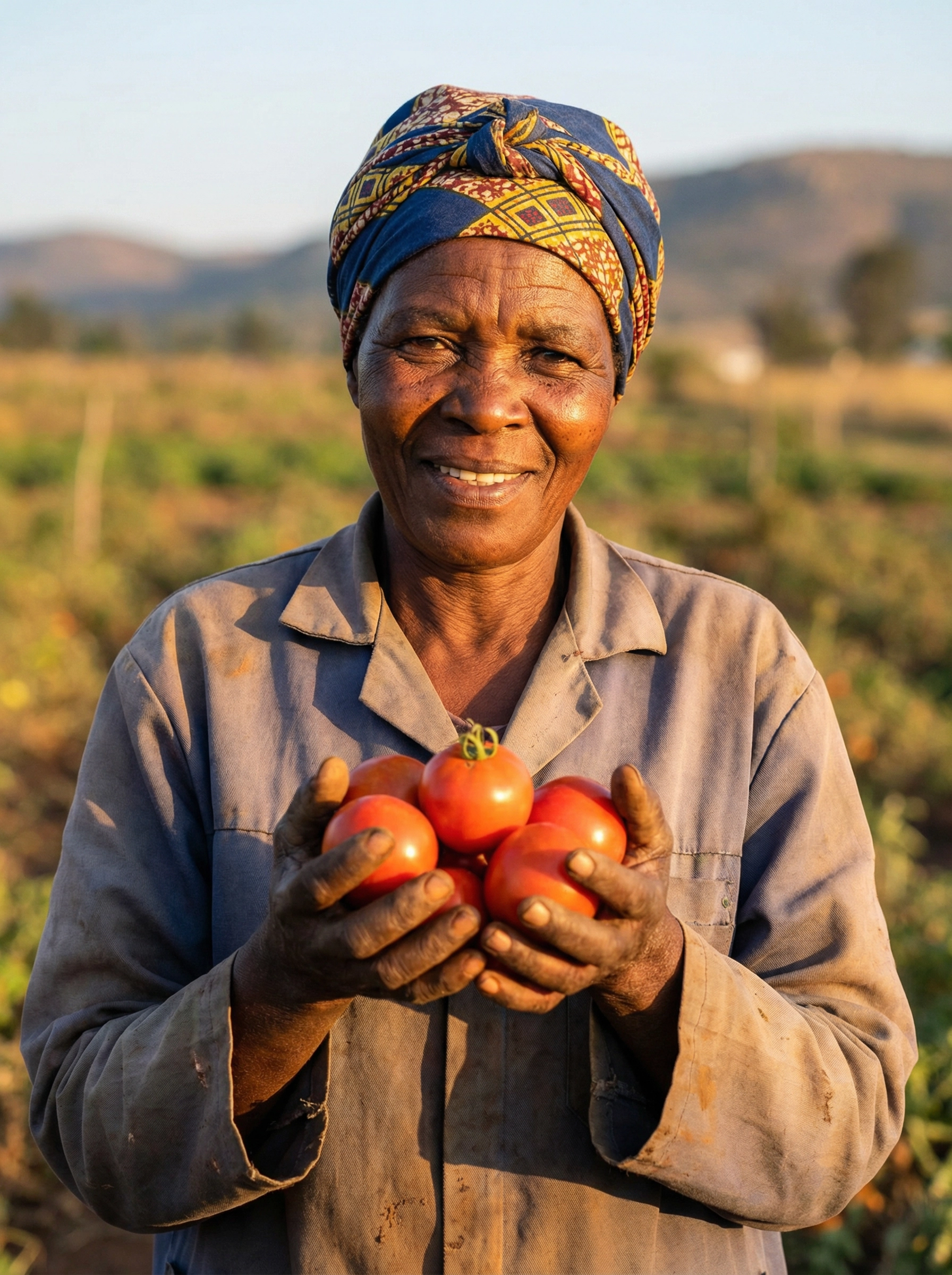
The Mutoko Project is designed from the ground up to advance women's economic empowerment. With 65% of the workforce being women and 70% of integrated smallholder farmers being women, this project exceeds all 2X Challenge thresholds and aligns fully with BMZ's Feminist Development Policy.
Women farmers receive guaranteed off-take agreements, access to GAP training, and irrigation support — directly addressing the structural barriers that have historically excluded them from formal agricultural value chains.
Built for a
Climate-Changed
World
Every design decision in the Mutoko Project prioritises climate resilience — from the 100% solar microgrid to drought-resistant crop varieties and water-efficient processing. This is not just a processing facility; it is climate infrastructure.
100% Solar Microgrid
A dedicated solar power system eliminates dependence on Zimbabwe's unreliable grid, ensuring 24/7 processing operations.
Energy Independence
Battery storage ensures uninterrupted operations during low-solar periods, protecting production schedules and farmer incomes.
Water Efficiency
Closed-loop water recycling system reduces water consumption by 60% compared to conventional processing facilities.
Climate Adaptation
Drought-resistant tomato varieties and drip irrigation support farmer resilience against increasing climate variability.
Eight Sustainable Development
Goals in One Investment
The Mutoko Project directly advances eight UN SDGs with measurable, IRIS+-aligned impact metrics — delivering development outcomes that DFIs and impact investors can verify and report.
Guaranteed off-take agreements lift 500+ smallholder farming families above the poverty line through stable, predictable income.
Processing 15,000 MT of tomatoes annually eliminates 40% post-harvest losses and strengthens Zimbabwe's domestic food security.
65% women workforce and 70% women farmers — exceeding all 2X Challenge thresholds and advancing BMZ Feminist Development Policy.
100% solar microgrid with battery storage eliminates grid dependence and delivers affordable, reliable energy to the processing facility.
200+ direct jobs created in Mutoko District with fair wages, GAP training, and safe working conditions aligned to ILO standards.
Climate-resilient design, drought-resistant varieties, drip irrigation, and 850 tCO₂e annual carbon avoidance contribute to Zimbabwe's NDC targets.
First formal tomato processing facility in Mutoko District creates critical agro-industrial infrastructure and catalyses regional value chain development.
Blended finance structure uniting DFIs, impact investors, and private capital in a single, co-ordinated investment vehicle aligned to global development goals.
ESG Is Not a Compliance
Exercise — It's Our Thesis
Every project evaluated against internationally recognised ESG and UN Sustainable Development Goal frameworks. Environmental stewardship, social impact, and governance excellence are central to how we invest.
Clean energy transition and climate-resilient design. 100% solar microgrid eliminates 850 tCO₂e annually. Closed-loop water recycling reduces consumption by 60%.
Job creation, community development and equitable access to services. 65% women workforce, 500+ smallholder farmers integrated into a formal value chain.
Transparency, anti-corruption and regulatory compliance. Full alignment with IFC Performance Standards, Equator Principles, and OECD Guidelines.
Championing Africa's Transition to a Green, Circular Economy
Africa's Green Economy Summit (February 2026) called for a decisive shift toward circular economy principles and scaled-up green investment. AIB Corp Ltd is at the forefront of this transition, structuring projects that align with the Continental Circular Economy Action Plan for Africa (ACEF).
Empowering Rural Communities
From Poverty to Prosperity
The Mutoko Project is designed from the ground up to create lasting, measurable change in the lives of rural women, youth, and smallholder farming families — transforming subsistence agriculture into a pathway out of poverty.
70% of integrated smallholder farmers are women, receiving guaranteed off-take agreements that provide stable, predictable income — directly addressing the structural barriers that have historically excluded women from formal agricultural value chains.
65% of the processing facility workforce are women, with equal pay, safe working conditions, and pathways to supervisory and management roles — exceeding all 2X Challenge thresholds for gender-lens investing.
All integrated farmers receive Good Agricultural Practices (GAP) certification, irrigation training, and post-harvest handling skills — building human capital that outlasts the project and benefits the wider community.
Priority hiring for youth aged 18–35 in processing, logistics, and quality control roles — creating first formal employment opportunities in a district with high youth unemployment.
On-the-job technical training in food processing, solar system maintenance, and supply chain management — building skills transferable across Zimbabwe's growing agro-industrial sector.
Young farmers receive business development support, access to micro-finance, and mentorship to establish independent agribusiness enterprises within the project's supply chain ecosystem.
A Bankable
Blended Finance
Structure
The capital stack is designed to de-risk the investment for commercial investors through concessional first-loss capital from development finance institutions, while delivering market-rate returns for equity investors.
The financial model is fully IFRS-compliant (IAS 1, 7, 16) with DSCR covenant testing across 6 scenarios, benchmarked against World Bank and FAO CapEx standards.
How Every Dollar of the
$4.5M Is Deployed
A fully itemised capital allocation across six categories — each justified by independent cost estimates and aligned to a specific funding source within the blended finance structure.
GIZ / USAID / BMZ — smallholder capacity building, irrigation, GAP
GIZ / KfW / AfDB — solar microgrid at below-market interest rates
Commercial DFI debt — processing facility and equipment
Sponsor equity + impact investor — working capital and dev costs
Click any category row above to expand the full line-item breakdown and cost justification.
Investment
Performance Metrics
Base-case projections derived from management estimates, market comparables, and independent feasibility analysis. All figures in USD.
Revenue & EBITDA Projections
10-year forecast · USD '000 · Base case
- Revenue (USD K)
- EBITDA (USD K)
Cumulative Cash Flow
Payback crossover at Year 4.2 · USD '000 · Base case
Scenario Analysis
Conservative · Base Case · Optimistic — sensitivity to revenue and cost assumptions
| Metric | Conservative | Base Case ★ | Optimistic |
|---|---|---|---|
| IRR | 14.2% | 18.1% | 23.5% |
| NPV (USD M) | 1.9 | 2.8 | 4.1 |
| Payback (yr) | 5.1 yr | 4.2 yr | 3.4 yr |
| DSCR | 1.6× | 2.1× | 2.7× |
All projections are management estimates based on market comparables and feasibility analysis. They are not a guarantee of future performance. Full financial model available upon request under NDA.
5-Stage Path to
Financial Close
Institutional Readiness
Full DFI-grade document suite: Investment Memorandum, Business Plan, Feasibility Study, ESG Framework, Financial Model, and Project Teaser.
Market Engagement & Teaser Distribution
Outreach to 11 target DFI institutions with tailored pitch materials. Setting up secure data room and obtaining priority documents.
Non-Binding Term Sheets
Receive expressions of interest and non-binding term sheets from at least 3 anchor investors across grant, debt, and equity tranches.
Institutional Due Diligence
Full institutional due diligence process with lead DFI, including site visits, management meetings, and legal documentation.
Financial Close & Disbursement
Achieve financial close with all capital tranches committed. Begin construction and equipment procurement.
Mutoko District,
Mashonaland East
Strategically positioned in Zimbabwe's most productive tomato-growing region, with direct access to 500+ smallholder farming families within a 50 km catchment.
The Teams Behind
This Investment
Two specialist organisations — one driving climate-smart agribusiness in Zimbabwe, the other structuring bankable infrastructure investment across Africa.

A Zimbabwe and United Kingdom-based agribusiness development company specialising in climate-smart food value chain investment, blended finance structuring, and gender-transformative agricultural projects across Sub-Saharan Africa.

African Infrastructure Building Corporation Limited — a London-based Pan-African infrastructure advisory firm bridging projects to capital across nine priority sectors.
"Your trusted advisory partner — from concept to bankable project to successful completion."
Project Sponsors &
Target Investors
Request a
Briefing Pack
We are currently in Stage 2 of our funding roadmap — actively engaging DFI institutions and impact investors. Request a full briefing pack including our Investment Memorandum, Financial Model, and ESG Framework.
Ask our investor relations AI a question